
ResourceEverything mental health clinicians need to know about open notes.
Learn how open notes can be a powerful tool in mental health therapy.
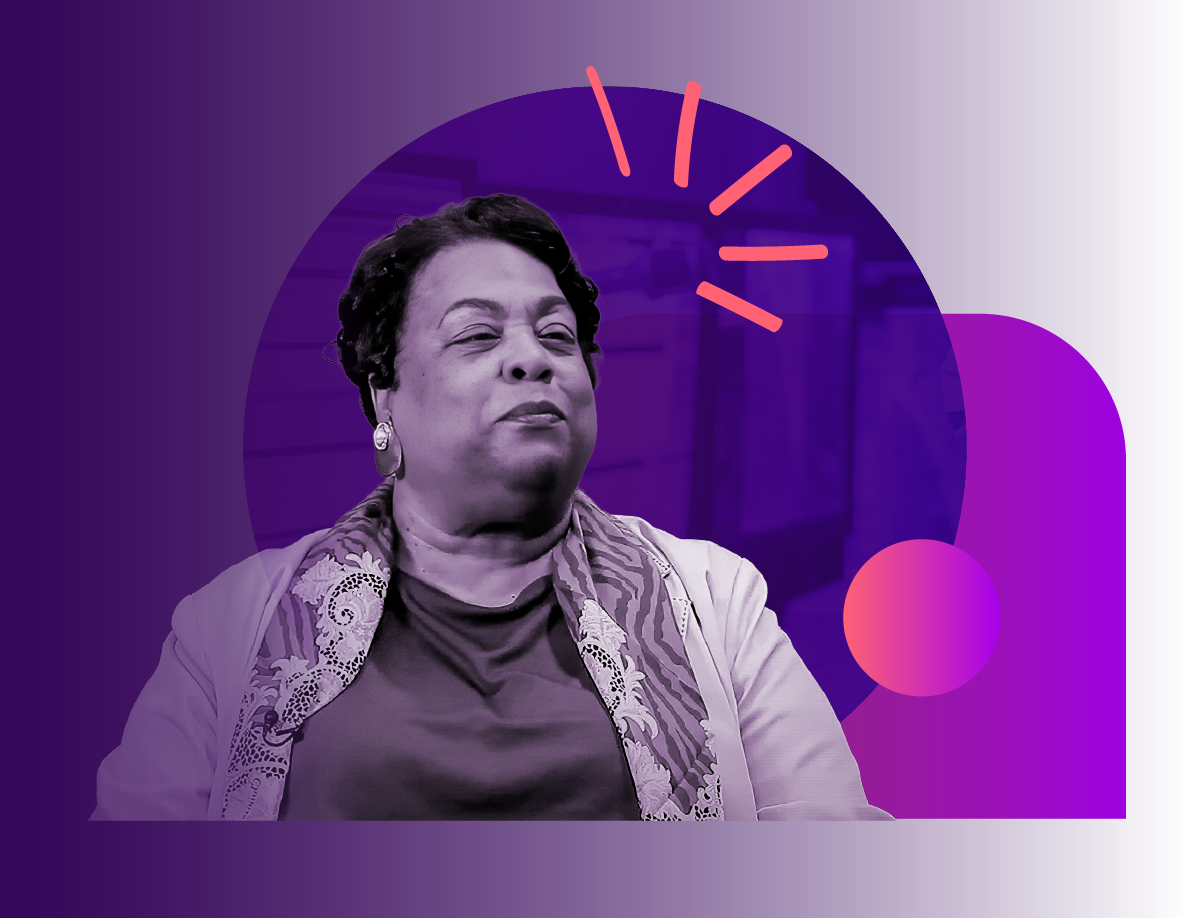
Linda Johnson, patient advocate
In 2014, about 40 psychiatrists, psychologists, and social workers at Beth Israel Deaconess Medical Center (BIDMC) in Boston began sharing notes with close to 1,000 of their patients.
The response to this intervention was similar to reactions to open notes in other areas of care. For the most part, health care professionals’ fears were not realized. They reported little change to workflow, and the patient response was overwhelmingly positive.
In the years since that study, the results have been replicated in a number of studies, including a large study focusing on persons with severe mental illness. It showed that two-thirds of nearly 30,000 patients felt that reading notes helped them to better understand why their medications were prescribed, feel more comfortable in taking their medications, and answer their questions.
Overall, open notes improve the therapeutic experience for most patients.

“We can certainly say at this point, the angst which most clinicians feared by sharing their notes is not materializing. It has been strikingly quiet in this regard, with scattered exceptions. The vast majority of our patients are reporting that the notes are helpful and often clarifying.”
—Steve O’Neill, LICSW, BCD, JD, Harvard Medical School
Benefits for using open notes with mental health patients
Empowering patients. The act of inviting patients to read what their clinicians write suggests that patients are competent and capable of understanding and discussing their own mental health. This open, respectful approach can mitigate power imbalances in mental health clinician-patient relationships.
Demonstrating respect and reducing stigma. Open notes can help bridge the gap between physical and mental health care. Patients should be managed similarly, whether receiving support for a mental or a physical ailment. To treat the two differently may unwittingly reinforce stigma most therapists try to diminish.
Organizing care and tracking progress. Open therapy notes provide a therapeutic opportunity to help patients manage their mental illness more effectively. Reading notes can help patients understand their treatment and progress (or lack thereof). They can reinforce care responsibilities, including “homework” or follow-up issues to work on between sessions.
Enhancing trust and the therapeutic relationship. Trusting therapeutic relationships are critically important for progress and recovery. Note sharing can demystify what the clinician writes (and thinks), helping patients to feel treated as complete individuals, rather than as a collection of symptoms. Open notes may promote richer dialogue between the patient and mental health clinician.
Providing a tool for behavior change. Patients may find that a balanced discussion facilitated by open therapy notes helps with anxieties they otherwise hold alone. In our research, clinicians found that when some patients read medical notes about sensitive subjects, including substance use disorders, they were more motivated to confront these challenges.
-
As clinicians implement open notes throughout a broad range of specialties, their concerns remain consistent for mental health or illness. They worry that sharing notes with patients will require changing the way they work. They fear that patients will become anxious, confused, or angry after reading notes. These concerns are often heightened in particularly sensitive areas of care, including oncology, obstetrics, emergency medicine, pain management, and especially in mental health.
-
Generally, yes. Clinicians are required to share therapy notes that are part of a patient’s health record.
As of April 5, 2021, all U.S. healthcare systems are required to electronically share clinicians’ visit notes with patients upon request at no charge. This is required as part of the 21st Century Cures Act program rule on Interoperability, Information Blocking, and the Office of the National Coordinator for Health IT Certification. The sharing of mental health notes is a requisite for compliance. However, process recordings or side notes not intended for the health record do not need to be shared (i.e., a therapist’s reflections on transference/countertransference).
The wording of the initial rule was confusing and seemed to state that therapy notes were an exception and did not need to be shared. However, a clarification was issued stating that the exclusion only applied to side notes or process recordings. All therapy notes should be shared with patients unless they meet the requirements for an exemption. For more information on exemptions, see our FAQ about the Cures Act federal rule.
Open notes become law: A challenge for mental health practice | Psychiatr Serv (2021)
-
Perhaps! Clinicians often worry about how to document sensitive issues, including substance use disorders, trauma, and a variety of psychiatric diagnoses. Inviting patients to read these notes presents new challenges.
The invitation is important. The simple act of inviting patients to read their notes helps establish a safe environment for discussion, whether they choose to engage with the notes or not. And patients who do read notes are often relieved to see what their therapist is writing. This type of transparency can lead to mutual trust and enhance the therapeutic relationship.
Develop options if a patient’s access to notes may carry more risk than benefit. You may decide with the patient to keep the notes closed, or to monitor or sequester certain notes. You might discuss embargoing a note until a future date, or suggest reading the note together. Therapists may want to revisit these options at any point during treatment. For example, patients dealing with trauma may find reading a note about their trauma triggering. Talking with your patient about when best to read such a note also may be helpful.
Protect against abuse. Health care professionals worry about certain patients opening notes if those notes may run the risk of being more harmful than helpful. You should work closely with your patients to ensure safety. Patients who are victims of domestic violence, or are at risk for abuse, are especially vulnerable and warrant special consideration. For these patients, the same precautions apply to all other aspects of the medical record and should be applied to therapy notes. And many of these patients may well fall under a “blocking exception” if accessing the note might increase the danger of harm.
Let’s show patients their mental health records, JAMA (2014)
Impacts of a web-based course on mental health clinicians’ attitudes and communication behaviors related to use of OpenNotes, Psychiatric Services (2019)

“When we think about our patients in a kind of language that we deem inappropriate or potentially offensive to the uninitiated, who is to say that our own attitudes toward our patients are not affected by that language? Wouldn’t we be closer to our patients’ experience if we got into the habit of thinking about them in language they would find meaningful and useful?”
—Michael W. Kahn, MD, et al. Let’s Show Patients Their Mental Health Records. JAMA, 2014
How can I write notes for challenging situations?
Here are some examples of how to write mental health notes that are clinically meaningful and educational for you, your patient, and your patient’s care team. Written by a psychiatrist at Beth Israel Deaconess Medical Center in Boston, these examples are based on scenarios encountered by health care professionals.
-
Scenario: Mr. A is a man with schizophrenia who believes that the FBI has placed “invisible” microphones and cameras in his apartment. He takes 1 mg of risperidone daily “to keep my family off my back,” but you are trying to get him to take a higher dose. You have tried to discuss his diagnosis with him, but he dismisses it and believes that “schizophrenia was made up by the FBI to incarcerate subversives.”
Sample note: Mr. A says he is taking 1 mg risperidone daily, but he continues to be convinced that the FBI is monitoring him. We disagree on this, as we do about whether he has a psychiatric problem in the first place. I believe that a higher dose of risperidone would help him with the anxiety he feels about being monitored, but he firmly refused to increase the dose to 2 mg daily. I nevertheless urged him to consider a brief trial of the higher dose, to see if he noticed any benefit. We will continue to assess his overall level of anxiety and how it affects his daily functioning. I am concerned that his anxiety limits his ability to feel safe on a day-to-day basis. But on a happier note, he continues to be very interested in current events and reads newspapers and books extensively.
-
Scenario: Ms. B is a young woman who frequently self-mutilates to manage stress. She is taking fluoxetine and aripiprazole for anxiety and depression. They help increase her stress tolerance to a certain extent, but she finds that ongoing use of alcohol and marijuana “helps me more” with anxiety. Her relationship with her boyfriend continues to be marked by frequent verbal fights and occasional pushing. You are trying to explore other medication options and also to encourage her to try dialectical behavior therapy.
Sample note: Ms. B’s condition remains about the same as it was during our last visit. She feels the medication helps somewhat, but I have shared my concerns with her that her continued use of marijuana and alcohol likely interferes with the ability of the medication to help. She recognizes her frustration and unhappiness, however, and was open to discussing a referral for dialectical behavior therapy. I think this could be very helpful for her. I also raised the question of AA. We agreed to see how she felt after a week of going without alcohol and, if she can do this, we will consider a low dose of lithium to help her with her moods. While she has her ups and downs at her job as a receptionist, she does feel her boss is supportive, and that’s encouraging.
-
Scenario: Ms. C is a woman in her thirties whom you have seen for a year for depression and who now reveals that she was molested by an uncle several times when she was nine. She has never revealed this to anyone before and was overwhelmed with feelings when she mentioned it. She asks you not to reveal this in the medical record.
Sample note: Ms. C is functioning well on citalopram 40 mg qd, sleeping and eating well, and doing well at work. Today she mentioned some incidents in her past that we have not discussed before and that were very significant for her. We will continue the citalopram and explore the incidents when we meet next.
-
Scenario: Mr. D. is a man in his twenties whom you have been treating for anxiety. You get a call from a pharmacy saying he has been filling prescriptions for a benzodiazepine from a physician you have never heard of. You tactfully confront Mr. D with this information, and he gets very upset and leaves the visit prematurely, saying he can’t trust you anymore.
Sample note: Mr. D. said he has been doing well on fluoxetine 20 mg qd and clonazepam 1 mg bid for anxiety, and that he enjoys his new job as a mechanic. I told him I had been contacted by a pharmacy asking whether I knew he was getting alprazolam from a different doctor, and I asked him if we could discuss the issue. Unfortunately, he became very upset and told me that the alprazolam was “none of your business.” I told him I thought perhaps his anxiety was undertreated on the regimen I have been giving him, but he did not want to discuss it and left the office suddenly. He did not make a follow-up appointment, and I will send a letter inviting him to do so.
“By writing notes useful to both patients and ourselves and then inviting them to read what we write, we may help patients address their mental health issues more actively and reduce the stigma they experience.”